Do Tenants Have to Mow the Lawn and Tend the Garden? What Queensland Agents Expect – Yes, normally, tenants in Queensland have the responsibility of undertaking tasks such as cutting grass, trimming, weed removal, and basic garden maintenance where these tasks are included in the tenancy agreement. But not all garden-related tasks are the responsibility of the tenants automatically. Tasks such as major tree pruning and other professional tasks are undertaken by the property owners or property managers.
In Queensland, residential tenancy law states that all the details concerning lawn and garden maintenance have to be put down in the tenancy agreement. Such information can help tenants avoid conflict while taking care of their rental properties as well as getting prepared for routine inspections.
Regardless of whether you rent a house in Brisbane, townhouses on the Gold Coast or other properties in Queensland, the point is for you to know your obligations beforehand.
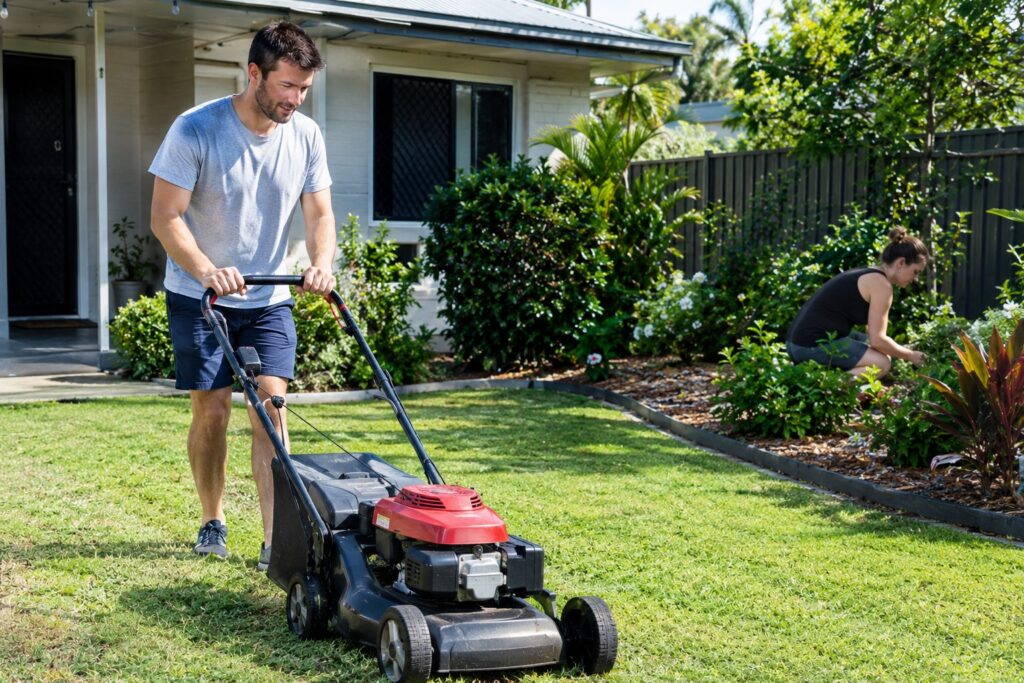
Lawn and Garden Maintenance Obligations of Tenants
Generally, property managers in Queensland require tenants to keep their outdoor premises neat and in good shape in relation to the entry condition report, taking into consideration normal wear and tear.
Tenants’ obligations include:
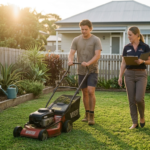
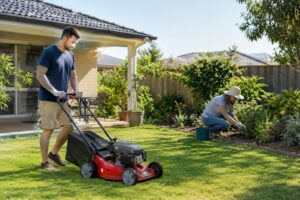
- Lawn mowing: Regular cutting of grass to keep it from becoming overgrown.
- Edging and trimming: Maintaining a clean appearance of lawn edges around driveways, paths and garden beds.
- Weeding: Removal of weeds from garden beds, paving and other easily accessible areas outdoors.
- Basic watering: Watering lawns and plants as needed within reason according to any local water regulations and agreements made with the landlord.
- Cleaning up the garden: Removal of garden rubbish, leaves and small branches.
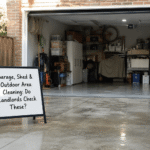
- General tidiness: Maintenance of outdoor areas without rubbish and unnecessary dirt.
The precise duties depend on the particular property, its initial condition and the terms discussed with the landlord or agent.
Tenant vs Landlord: Who Is Responsible for Garden Maintenance?
It is essential to differentiate between basic maintenance and more complex works in order to decide who will be responsible for a certain garden duty.
| Garden maintenance task | Usual responsibility | Important consideration |
| Regular lawn mowing | Tenant | Check the tenancy agreement |
| Lawn edging and basic weeding | Tenant | Maintain reasonable tidiness |
| Watering ordinary garden plants | Depends on agreed terms | Follow water restrictions |
| Collecting small fallen branches | Often tenant | Depends on size and circumstances |
| Major tree lopping | Owner or property manager | May require a qualified professional |
| Pruning large or established trees | Usually owner or property manager | Specialist skills or equipment may be necessary |
| Specialist hedging or landscaping | Usually owner or property manager | Check the agreement and work involved |
| Maintaining shared garden areas | Depends on the arrangement | Confirm responsibilities in writing |
These are general recommendations, rather than strict laws. According to RTA, garden maintenance should be mentioned in the tenancy agreement, including any special terms.
What Are the Key Features that Queensland Property Agents Check During Inspection?
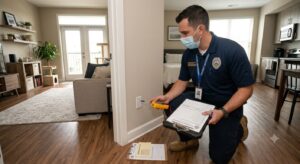
Inspections provide an opportunity for property managers to evaluate the state of the rented property. While gardens could be included in inspections together with kitchens, bathrooms, floors, and living areas.
Property agents usually look for:
1. Clean lawns: There must be no overgrowth of grass that requires regular mowing by the tenants.
2. Clean garden beds: Weeds and waste products need to be removed from them without harming existing plants.
3. Safe walking paths: Driveways and other walking and entrance pathways should be reasonably clear of leaves, garden rubbish, and overgrowth.
4. Appropriate gardening: Damage to the garden, trimming of established shrubs, or tree work that could endanger the tenants is discouraged.
5. Quick reporting of problems: Report problems, including a hazard tree, irrigation failure, dead plants, or other issues.
Keep in mind that the point of inspection is not to have each garden professionally landscaped by the tenants. Key points include the tenancy agreement, the property’s initial condition, and appropriate maintenance.
What If the Garden Was Overgrown When You Moved In?
Tenants are not expected to bring an overgrown garden up to professional landscaping standards.
Check your entry condition report and photos taken at the beginning of the tenancy for evidence of the original condition of the lawn, garden beds and trees.
In case the garden was overgrown at the time of your moving in, bring this matter to the attention of your property manager in writing. Clarify what kind of maintenance is anticipated and whether the owner plans on carrying out any initial cleanup or hiring specialists.
This rule should also be applied to the deterioration of lawns or plants caused by drought, unusual weather conditions, or lack of water. Bring this matter to the attention of the agent in writing rather than ignoring it and not leaving a record of this matter. RTA acknowledges that weather and water restrictions may influence garden maintenance responsibilities.
How to Avoid Garden Maintenance Disputes for Tenants?
It is possible to prepare for end-of-lease inspections. Try these tips:
- Go through your lease agreement thoroughly: Pay special attention to the garden maintenance terms and conditions.
- Document the garden’s condition: Take pictures of the garden and fill out your entry condition report properly.
- Follow a maintenance schedule: Cut the lawn, pull weeds, collect garden waste regularly.
- Clarify ambiguous matters: Find out from the property manager who is responsible for major pruning, hedge trimming, and maintenance of common outdoor areas.
- Keep documents in writing: If there is a problem with the maintenance, send an email, take photographs, and keep copies of replies.
- Inspect before leaving: Learn about the conditions under which you will leave, and compare the garden’s state with the initial inspection report, making allowances for normal wear and tear.
In addition to paying rent, the tenants must know that the property owner cannot insist on hiring only a certain garden maintenance service company. According to the RTA, it is mandatory to include information about any lawn or garden maintenance contracts in the tenancy agreement.
For more information about this topic, you should visit the website of the Queensland Residential Tenancies Authority.
Conclusion
Knowing whether tenants need to mow the lawn and garden or not will help Queensland tenants protect themselves from problems related to rental agreements. Follow the conditions of the agreement, maintain the lawns or gardens properly, and clarify this issue with your agent.
If you need assistance in preparing your rental for inspection or when leaving, The Bond Cleaning Brisbane provides bond cleaning in Brisbane. Browse the website for bond cleaning solutions. A clean, tidy house will give you a higher chance of succeeding in your final inspection.
FAQs
Do tenants have to mow the lawn in Queensland?
In general, yes. Tenants are generally expected to undertake mowing, edging and weeding as per their tenancy agreement.
Do tenants have to trim trees?
Major tree trimming and hazardous tree work is typically the owners’ obligation, particularly when specialist expertise and equipment are involved.
Is it possible for the agent to charge the tenants for the overgrown garden?
In some cases, yes. Agents might bill tenants for overgrown gardens based on the tenancy agreement and the evidence at hand.
What happens when the lawn dies due to the drought?
You should contact your property manager right away. The impact of the drought and weather conditions on maintenance obligations can be substantial.
Do tenants have to maintain the garden before moving out?
Yes, tenants generally must fulfill all the maintenance obligations and leave the garden in good condition as described in the entry report.