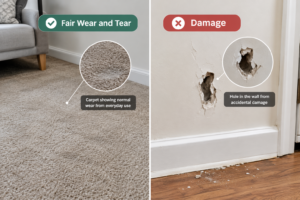
One of the common sources of disputes over bonds is fair wear and tear in Brisbane rentals. Damage that seems trivial from a landlord’s point of view turns out to be wear and tear for the tenant. The important thing here is to know the difference in order to avoid problems with bond money.
What Is Fair Wear and Tear in Queensland?
The Residential Tenancies and Rooming Accommodation Act 2008 does not include the definition of fair wear and tear. In Form 18a of the Standard Queensland tenancy agreement, it is said to be “the natural deterioration that results from normal usage or ageing”. In other words, this is the natural decay caused simply by occupying the property.
It is the responsibility of the tenant to return the property in the same condition that it was when he/she first took possession, taking into account fair wear and tear. It does not include damage, neglect, or dirt. The Residential Tenancy Authority clarifies this issue.
Examples of Fair Wear and Tear Landlords Cannot Claim
If the reason is usage or ageing, then there will be no basis for a bond claim.
- Faded or chipped paint. This is due to exposure to sunlight and ageing, hence making it common.
- Worn-out carpet in high-traffic areas. Corridors and entranceways wear faster than bedrooms.
- Light marks on floorboards. Everyday foot traffic creates light marks.
- Loose handles or worn hinges. Ageing causes this because of years of use.
- Scuffs or small nail holes. Faint marks made while hanging up a picture are expected.
- Sun-faded curtains or blinds. It is caused by Brisbane sunshine and not the tenant.
The duration of the tenancy is another aspect that needs consideration. After a considerable period of lapse, ageing of the property becomes normal wear and tear, so the landlord should expect some worn surfaces.
Damage Examples: Claims That Landlords Can Make
Unlike fair wear and tear, damage caused by tenants is due to negligence and misuse. Such claims can be easily upheld:
- Large holes in walls. Holes from mounting a TV and furniture without repairing.
- Heavily scratched floorboards. Light marks are considered normal, but scratches are caused by dragging furniture.
- Painting without permission. Unauthorised painting would mean that the tenant is responsible for the damage.
- Damage from pets. Doors chewed, scratch marks, and urine stains on carpets.
- Burns, marks and spills. A cigarette burn, for instance, should be considered damage, not ageing.
- Damaged fittings. Window breakages and cracked tiles due to negligence by the tenant.
- Mould due to carelessness. Mould formed because of lack of ventilation and cleaning in the bathroom.
Dirt isn’t wear and tear.
Lots of tenants fall into that trap. Greasy oven, soap scum and dusty skirting boards are cleanliness problems, not wear and tear. Cleanliness is an obligation for tenants, which is why bond cleaning Brisbane is so sought-after. Our end-of-lease clean will comply with the checklist the agent uses, and cleaning is never used to decrease your bond.
How a Landlord Can Prove a Bond Claim
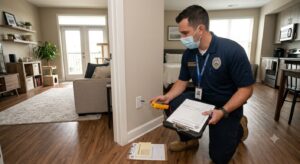
A landlord cannot choose which problems are fair wear and tear. Proof solves the problem:
- Compare condition reports. The comparison between the entry and exit reports shows the difference.
- Have photos with dates. Photos taken at move-in and move-out carry great importance.
- Obtain quotes and receipts. Claims must be based on accurate repair costs.
- Depreciate. A carpet that’s been used for five years is depreciated in its replacement value.
In case of any disagreement, RTA will retain the contested sum and initiate dispute resolution. In case of failure in dispute resolution, one can make an application to the Queensland Civil and Administrative Tribunal (QCAT). The relevant provision appears in the Residential Tenancies and Rooming Accommodation Act 2008. Just some general information, not legal advice.
Advice for Tenants and Landlords
For tenants: Do your entry report well, take pictures of everything, sort out any minor disputes, and get carpet cleaned before the last inspection.
For landlords: Keep your records in order and reasonable with regard to age. Separating damage from fair wear and tear leads to prompt resolution of the disputes.
Bond Protection Services by Bond Cleaning Brisbane
While you cannot control fair wear and tear, you can definitely control the cleaning process. Bond Cleaning Brisbane follows the same checklist as real estate agents, using eco-friendly products with no hidden costs whatsoever. We cover houses, units and townhouses in the whole Brisbane area.
Looking to move out easily? Get a free quote now; call +61 435 144 336 or email
info@thebondcleaningbrisbane.com.au.
FAQs
1. Is faded paint fair wear and tear in Queensland?
Generally yes, as fading is due to sun exposure and age. Unauthorised painting or marking of the property is not.
2. Can a landlord claim for damaged carpets?
No, if the damage is wear in high-traffic areas. Soiling, burn marks, and animal damage can be claimed by the landlord, with the reduction according to the age of the carpet.
3. Will the length of tenancy affect wear and tear claims?
Yes, as more deterioration occurs over time, tenancy tribunals will consider it when determining the amount of deduction.
4. Do cleaning costs qualify for bond deductions?
Yes, if the property was not kept reasonably clean during the tenancy period.
5. In case of disagreements on damage, what happens?
RTA keeps the disputed bond funds and offers dispute resolution, which may end up in a QCAT application by either side.
6. Does professional cleaning guarantee my bond return in full?
No cleaner can ensure there are no claims for damage; however, our exit cleaning service excludes most deductions.