It’s not just current tenants who know that final inspections on a rental property can often be as stressful as sitting an exam. You’ll have vacuumed, you’ll have wiped down every surface, you’ll have checked the oven twice, and then the carpet will have let you down. Stains have an amazing ability to remain hidden until you find yourself in front of the property manager and they look at you and then your stains and shake their head in dismay because you’d walked in and asked them what was wrong with your carpet — then you’ll start panicking because you can’t remember what they’re talking about. The fact is though, there are certain stains which are always going to be seen as critical to failing a bond inspection, and a good percentage of tenants are unaware of the best way to treat these stains prior to moving out of their rental property. Let’s look into the most common types of carpet stains that cause problems at the time of a bond inspection and learn how to remove these stains from the carpet prior to your move-out date.
1. Red Wine Stains
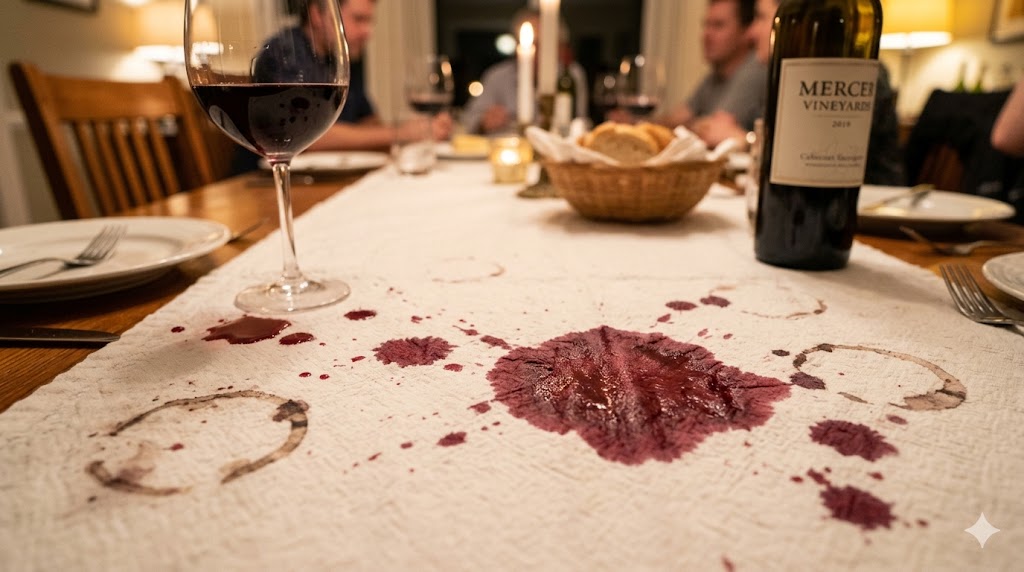
When wine is spilled, it’s one of the worst kinds of stains – it dries fast, keeps a clear spot after drying, and gets worse with time. It’s best to blot, not rub, the stain as quickly as possible, then immediately add a mixture of cold water and a little bit of dish detergent to lift most of the colour.
2. Coffee and Tea Stains
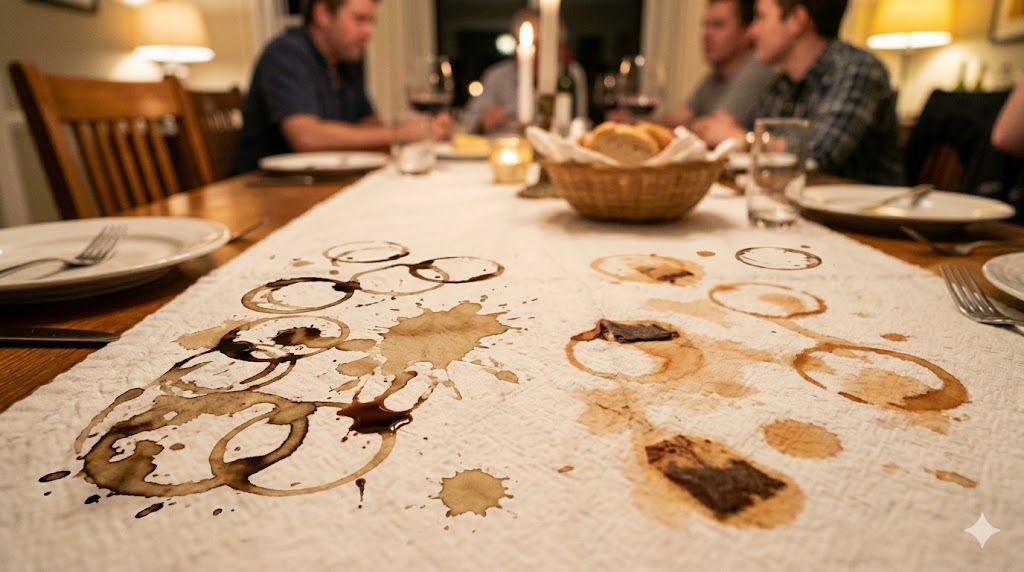
However, if left untreated, these stains will often leave a brownish tint that may take several weeks to remove. Applying a mixture of warm water and white vinegar to or applying a small amount of either to the stained area may help lift this stain out as well. For older stains, a paste of baking soda and warm water should be applied and left to sit on the stained area for approximately 1 hour before vacuuming. This method usually produces significant results when compared to other options.
3. Pet Urine Stains and Odours
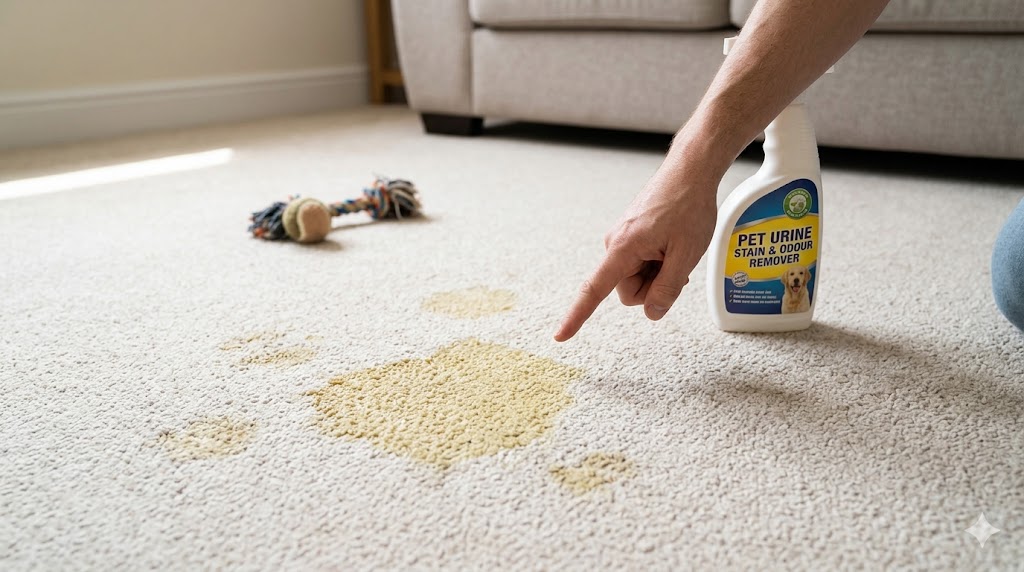
During home inspections, pet stains often signal trouble. Pet odour can stick around longer than the stain itself and may still be an issue after a property has been cleaned. To resolve pet stains, you must first absorb as much water as possible from the stain, then use an enzyme-based cleaner specifically designed to treat pet stains, which will get rid of pet odour more thoroughly than a standard carpet cleaner.
4. Grease and Oil Stains
Grease stains in common living spaces around kitchens/halls are typically not removed solely by water. By applying baking powder or corn starch on top of the greasy area, letting it sit for 15 to 20 min., and then vacuuming up the residue and washing the remaining stain with a diluted dishwashing soap solution will usually help remove the stains from their original location.
5. Ink Stains
Ink from a leaking pen can create a very noticeable and unusual stain on light-colored carpeting. If the stained area is blotted with a cloth, applying rubbing alcohol works exceptionally well to prevent the ink from spreading and to help remove the ink. Blot using the method of working from the outer edge of the stain toward the center of the stain.
6. Mud and Dirt Stains
Mud stains can be quite common in households with children, pets or simply people who forget to remove their footwear prior to entering the home. When it comes to removing dried mud stains from carpet, it is usually easier to remove them once they are completely. By allowing the mud to air dry, vacuuming the loose dirt, followed by using a mild detergent solution to clean any of the remaining stain may prove to be more effective than scrubbing them in wet form.
7. Candle Wax and Blood Stains
Your carpet can become permanently marked by wax drips, while blood stains will quickly harden if not treated early with cold water. The best way to remove wax stains from carpets is to place a cloth over the stained area and run a warm iron gently over it. This will melt the wax and lift it off the carpet when the cloth is lifted. The best method for removing blood stains from carpets is to immediately apply a gentle dabbing motion with cold water (never hot water, this could potentially set the stain).
Final Thoughts
The condition of your carpet can play a huge role in whether or not your deposit is returned when you move out, even though it might not seem to be a big deal relative to other items on your “to-do” list. By addressing stains promptly, using an appropriate cleaning method for each type of stain and avoiding the use of burning hot water or very frequent scrubbing, you have the potential to greatly minimize the chance of being charged for carpet cleaning. Should you choose to wait longer than you would like or would simply prefer to eliminate any risk by engaging professionals such as The Bond Cleaning Brisbane, you can guarantee that your carpet will be cleaned thoroughly so that you do not have any issues when it comes time for inspection.
FAQs
I noticed a stain on the carpet but I’m moving out in two days — is it even worth trying to fix it myself?
There are two factors to consider when removing stains from carpeting, how old the stain is and where it was spilled. If the stain is fresh (within a few hours) then you will be able to use the best method available to successfully remove it from your carpet. However, if the stain is more than two weeks old and has already dried into the carpet (e.g., pet urine or oil), your chances of being able to successfully remove it with a home method are very limited. You will likely need a professional carpet cleaner prior to your final inspection.
My carpet looks fine to me, but my landlord is really strict — should I get it professionally cleaned anyway?
It is critical to read your rental agreement carefully to determine whether your rental agreement requires you to have the carpets cleaned by a professional service upon move-out, even if they look very clean. Also, having your carpets cleaned by a professional will help to eliminate any odours or stains that you may not have noticed, but that a rental property inspector will notice when inspecting the apartment.
I tried scrubbing a wine stain with hot water and it seems worse now — what did I do wrong?
It is a common mistake to assume that hot water will help lift a stain from carpet. The reality is that hot water can cause some stains to penetrate deeper into the carpet. Cold water and gentle blotting (as opposed to scrubbing) are generally the best methods for lifting most types of stains off of carpeting, particularly wine, blood and other liquid spills.
There’s a lingering pet smell even though I can’t really see a stain anymore — will that cause issues at inspection?
Lingering odours can absolutely be called out on an inspection regardless if the carpets look clean at the surface level. Many times the odour from pets goes beyond just the top of the carpet where they’re located and settles much deeper into the carpet padding itself, resulting in a need for an enzyme treatment or steam cleaning from a professional as opposed to surface cleaning only.